


Barefoot running: 5 tips to get you started
Barefoot running is becoming increasingly popular with both experienced runners and beginners.
It is credited with preventing most common running injuries, strengthening weak muscles caused by shoe-induced atrophy and raising awareness of our body's capabilities in its natural, unhindered state. Many join the movement with enthusiasm and leave their running shoes behind when they head out for their regular training runs, but the results are usually not what they expected.
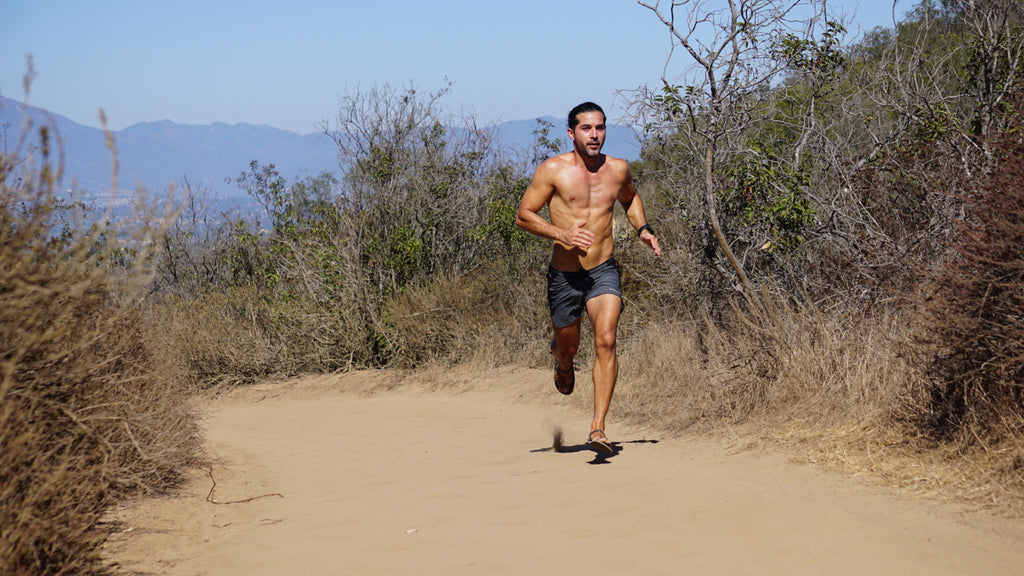
Unfortunately, injuries are an all-too-common complaint among newcomers to barefoot running/minimal training, causing many to shy away from barefoot running after recovery or preventing them from running again at all. Almost all injuries and painful moments of barefoot running are due to inadequate preparation and adaptation. Whilst I don't think it's necessary to ditch your running shoes for good and switch to barefoot running completely, if you haven't experienced the benefits and natural, minimalist joy of running in its purest form, then you're missing out!
Try these 5 simple tips so you can enjoy the benefits of barefoot running successfully and injury-free for years to come.
1. start running with minimal footwear

Running in a lightweight shoe with a thinner sole and less heel encourages a landing in the centre of the foot, just as your foot lands when running without shoes. There are many ‘natural’ running shoes on the market today that are great for transitioning to barefoot running while providing the cushioning, support and protection you need to run happily for miles. If you want most of the benefits of barefoot running but need a little protection, consider the modern take on the old huarache running sandal from Earth Runners. It offers a securely laced minimal sole and features a unique electrical grounding system.
2. walk barefoot more often

Try to walk barefoot as often as possible so that you can get used to walking barefoot more quickly.
We spend most of our lives in shoes or some kind of footwear, so it takes a while for our feet, body and brain to get used to the new movements of the muscles when running barefoot. The more you run barefoot, the easier barefoot running will be. If you normally wear shoes or slippers at home, try to take them off, go for walks without shoes, try short walks without shoes and then move on to longer walks, do sports without shoes especially beach volleyball, frisbee, gymnastics, strength training and balance exercises. Get back to your natural lifestyle, not just walking!
3. running on soft surfaces

This is especially important when you start running. Running on soft surfaces such as grass, sand or smooth paths reduces the impact on your joints and muscles that you feel without the thick cushioning of most running shoes. The soft surface is much more forgiving, so you can run longer and get used to barefoot running faster.
4. keep your runs short
Short barefoot runs will help you get used to it without the risk of overuse injuries or too much strain on your joints leading to pain. You can try running 2 or 3 times a day for just 5-10 minutes to achieve a higher total time/distance for the day without causing the physical damage that comes with a single longer run. By slowly and consistently increasing your running times, you can transition to running barefoot for longer distances without pain.
5. switch to cross-training
Other activities to improve strength, balance, stability and endurance can be transferred to barefoot running and make you a stronger runner who is less prone to injury. Strength training can help correct muscular imbalances and reduce fatigue by improving muscle strength and endurance. Balance exercises such as slacklining, box jumps and other sports are great ways to improve the foot, ankle, leg and core strength required for barefoot running. Perform these activities barefoot whenever possible, as mentioned in tip 2. Better balance will also help you to run with more confidence over uneven surfaces and difficult terrain.
If you follow these tips, the transition to barefoot running will be much easier and safer. You will achieve better form and become a stronger runner and a better all-round athlete.
If you are interested in Earthrunner shoes... click here for these great sandals:https://www.earthrunners.com/
Comments (0)