

- BIOFEEDBACK & TRACKING -
Biofeedback and tracking make it possible to visualize physical and mental processes in real time and influence them in a targeted way. Sensors and feedback systems capture data such as behavior, movement, or stress responses and translate them directly into tangible impulses or measurable feedback.
In biohacking, these tools are used to change habits, improve self-regulation, and consciously control unconscious patterns. Instead of just measuring, biofeedback systems actively intervene – helping you optimize your behavior step by step.
Biofeedback & Tracking

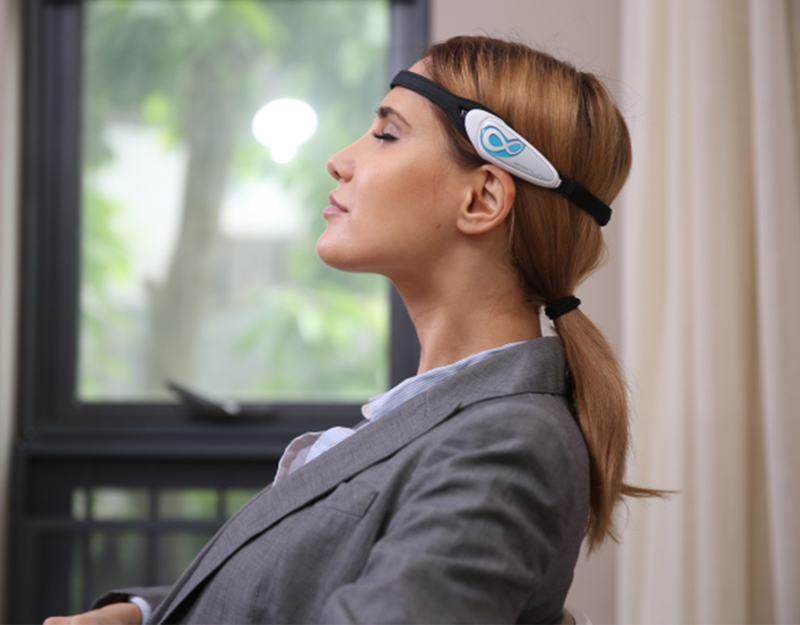


Biofeedback & Tracking – Understand Your Body and Control It Intentionally
Most processes in your body run unconsciously: heart rate, breathing, muscle tension, or stress responses. This is exactly where biofeedback comes in. Through targeted measurement and immediate feedback, you learn to become aware of these processes – and actively influence them.
In biohacking, it’s not just about data, but about control. Tools from the biofeedback & tracking space show you in real time what’s happening in your body – and help you adjust your behavior instantly.
How Biofeedback Works
Sensors capture physiological signals such as movement, tension, or activity and provide immediate feedback – for example through vibration, light, or visual cues. This direct feedback loop allows you to recognize and change unconscious patterns.
==> You don’t just receive information – you learn to consciously control your body.
Why Biofeedback Is So Important in Biohacking
Many people try to improve performance without understanding what’s actually happening in their body. Biofeedback reverses this approach:
- Behavior becomes measurable
- Responses become immediately visible
- Change becomes directly trainable
This makes biofeedback one of the most effective tools for sustainably changing habits – whether it’s stress, focus, nutrition, or daily routines.
Tracking vs. Biofeedback – The Key Difference
Tracking alone collects data. Biofeedback goes one step further:
- Tracking shows you what is happening
- Biofeedback helps you actively change it
==> This combination is what makes this category so powerful: you don’t just see your data – you learn to influence it.
Typical Use Cases
Biofeedback and tracking tools are used in biohacking to:
- change habits (e.g., eating behavior)
- identify and regulate stress responses
- improve focus and mental control
- make unconscious patterns visible
Over time, this creates a key advantage:
You no longer react unconsciously – you act with intention.
Conclusion: Control Instead of Chance
Biofeedback & tracking are among the most intelligent approaches in biohacking. They don’t target symptoms, but your behavior – and that’s where real change happens.
If you want to understand how your body truly works and learn to influence it deliberately, these tools are essential.